
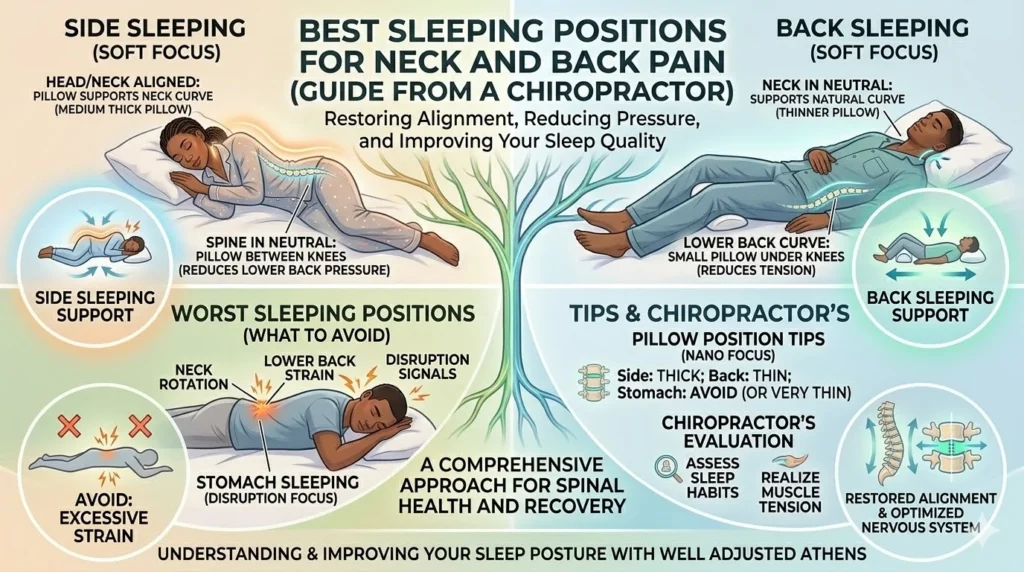
Getting a good night’s sleep can be difficult when you’re dealing with neck or back pain. Many people don’t realize that their sleeping position plays a major role in spinal health. Poor posture during sleep can put stress on joints, muscles, and nerves, often making pain worse by morning.
For patients suffering neck and back pain, the first recommendations is improving sleep posture. In this guide, we’ll break down the best sleeping positions, what to avoid, and how small adjustments can make a big difference in your comfort and recovery.

Why Sleeping Position Matters for Spinal Health
Your spine should remain in a neutral position while you sleep, just like when you’re standing with good posture. When your sleeping position causes the spine to twist, arch excessively, or collapse, it can strain muscles and compress joints.
Over time, poor sleep posture may contribute to chronic pain, stiffness, and even nerve irritation. Chiropractors often assess sleep habits because improving alignment during rest allows the body to recover more effectively overnight.
Best Sleeping Position for Neck and Back Pain: Side Sleeping
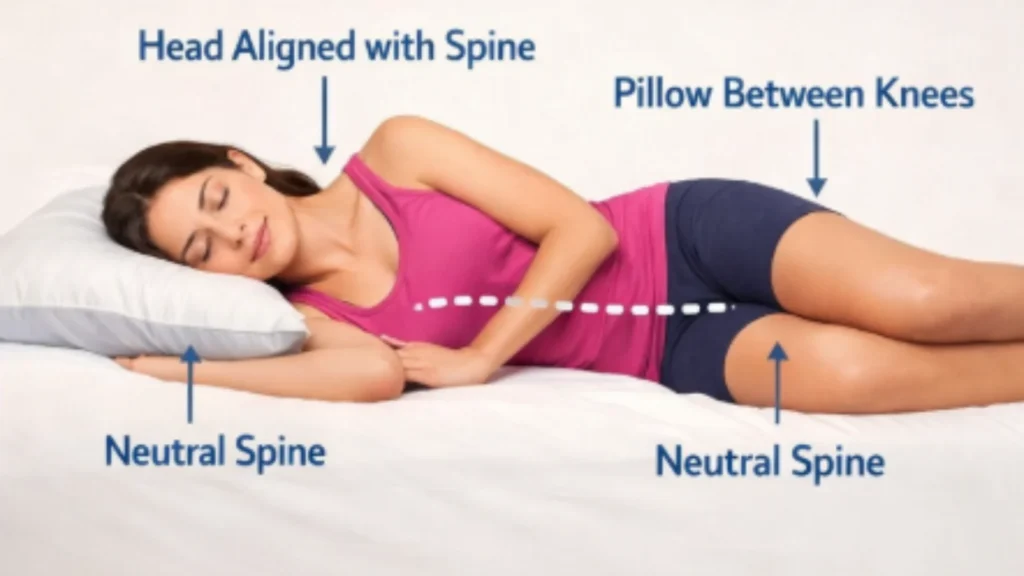
Side sleeping is widely considered one of the best positions for reducing stress on the spine. When done correctly, it helps maintain a neutral alignment from your head down to your hips.
To optimize this position:
- Keep your head supported with a pillow that aligns your neck with your spine
- Place a pillow between your knees to reduce pressure on your lower back
- Avoid curling too tightly into a fetal position
This position is especially helpful for individuals dealing with common causes of neck pain or lower back discomfort.
Sleeping on Your Back: A Good Option With Proper Support
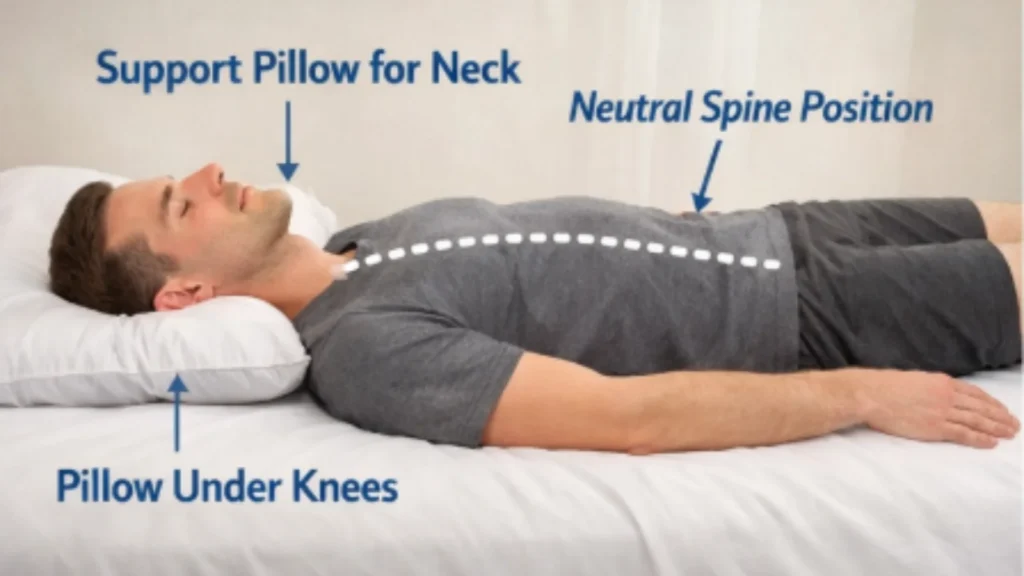
Sleeping on your back can also support spinal alignment when done properly. This position distributes weight evenly and reduces pressure points.
For better support:
- Use a pillow that keeps your neck in a neutral position
- Place a small pillow under your knees to support the natural curve of your lower back
Back sleeping may benefit individuals experiencing symptoms like those discussed in our guide on pinched nerve treatment (internal link: /pinched-nerve-chiropractor-athens-ga), as it minimizes unnecessary spinal pressure.
Worst Sleeping Positions for Neck and Back Pain
Certain sleeping positions can worsen pain and should generally be avoided.
Stomach Sleeping
Sleeping on your stomach forces your neck into rotation and can strain the lower back. This position often leads to stiffness and irritation in the spine.
Unsupported Side Sleeping
Without proper pillow support, side sleeping can cause the neck to bend unnaturally, leading to tension and discomfort.
Avoiding these positions is an important step in reducing pain and supporting long-term spinal health.
How Pillow Position Affects Neck Pain
Your pillow plays a critical role in maintaining alignment. A pillow that is too high or too flat can push your neck out of its natural position.
General recommendations:
- Use a medium-firm pillow that supports the natural curve of your neck
- Side sleepers may need thicker pillows
- Back sleepers benefit from thinner, supportive pillows
Chiropractors often emphasize pillow positioning as part of a broader approach that may include spinal adjustments to restore proper alignment.

Tips for Sleeping With a Pinched Nerve or Back Pain
If you’re dealing with a pinched nerve or chronic discomfort, small adjustments can make a big difference:
- Sleep on your side with proper support
- Avoid sudden twisting movements when getting out of bed
- Use supportive pillows to maintain alignment
- Apply heat or ice before bed if recommended
In some cases, additional support through extremity adjustments may help improve joint balance and reduce strain on the spine.
When to See a Chiropractor for Sleep-Related Pain
If your pain persists despite improving your sleeping position, it may indicate an underlying issue such as joint restriction or nerve irritation.
You should consider professional care if you experience:
- Pain that lasts longer than a few days
- Tingling or numbness
- Limited mobility
- Recurring discomfort after sleep
A chiropractor can evaluate your condition and recommend a personalized plan to restore proper movement and reduce pain.
Conclusion
Your sleeping position directly affects your spinal health and overall comfort. By making simple adjustments — such as improving pillow support and choosing the right sleeping posture — you can reduce strain on your neck and back. For those in Athens, GA, combining better sleep habits with professional chiropractic care can provide long-term relief and improved quality of life.
FAQs
What is the best sleeping position for neck pain?
Side sleeping with proper neck support is generally the best position. It helps maintain spinal alignment and reduces strain on the neck.
Is sleeping on your back good for back pain?
Yes, back sleeping can support spinal alignment if you use a pillow under your knees and proper neck support.
What is the worst sleeping position for neck pain?
Sleeping on your stomach is typically the worst position because it forces your neck into an unnatural rotation.
Can a chiropractor help with sleep-related pain?
Yes, chiropractors can identify alignment issues and provide treatment to reduce pain and improve sleep quality.
How should I position my pillow for neck pain?
Your pillow should support the natural curve of your neck and keep your head aligned with your spine.