

Sciatica can make even simple daily activities uncomfortable. From sharp shooting pain down the leg to numbness, tingling, or lower back discomfort, sciatica symptoms can interfere with walking, sitting, sleeping, and overall quality of life.
Many people searching for relief ask the same question: Can a chiropractor fix sciatica? The answer depends on the underlying cause of the condition, but chiropractic care is often used as a non-invasive approach to help reduce pressure on irritated nerves, improve mobility, and support long-term recovery.
At Well Adjusted Athens, patients receive personalized chiropractic care focused on identifying the root cause of pain rather than simply masking symptoms.
What Is Sciatica?
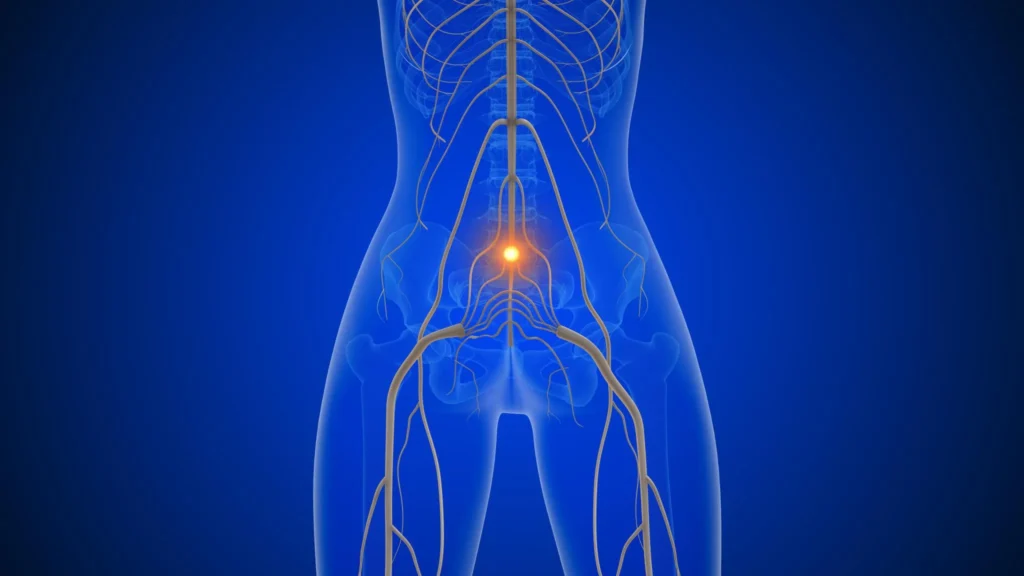
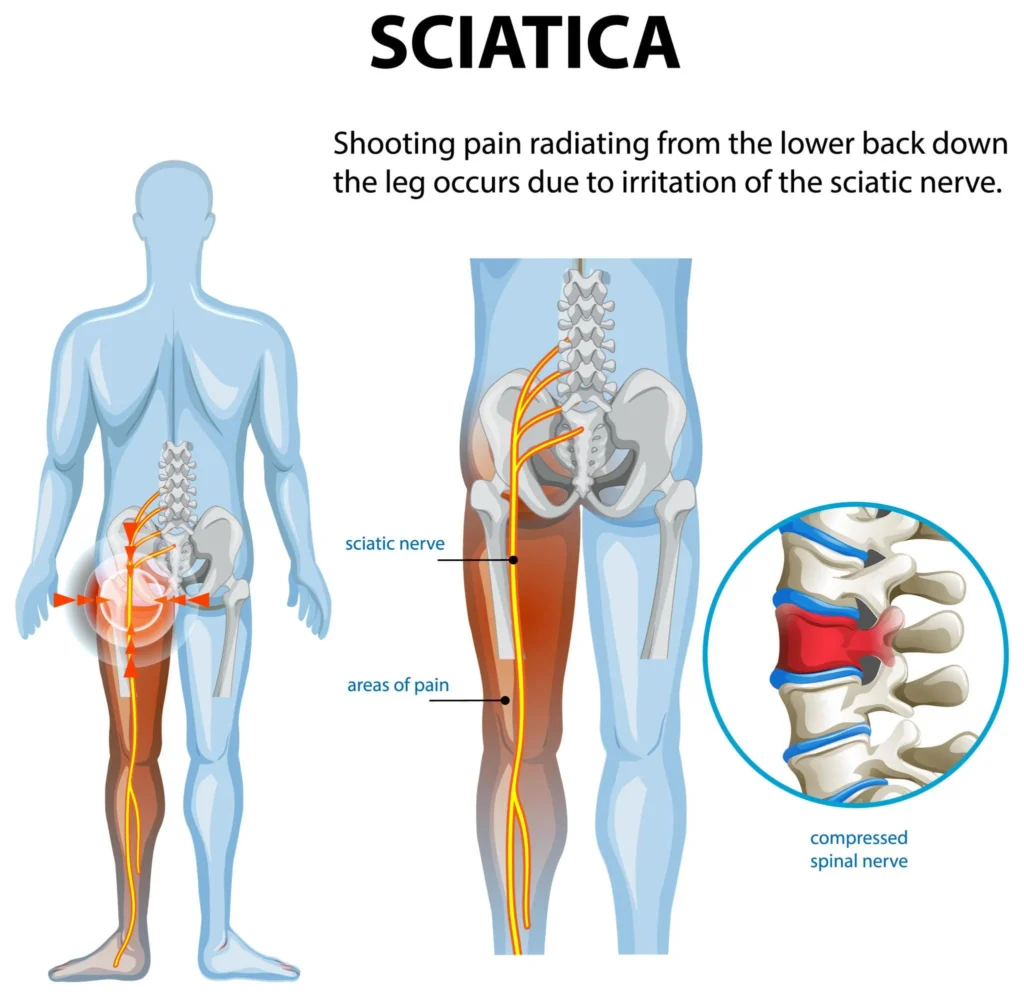
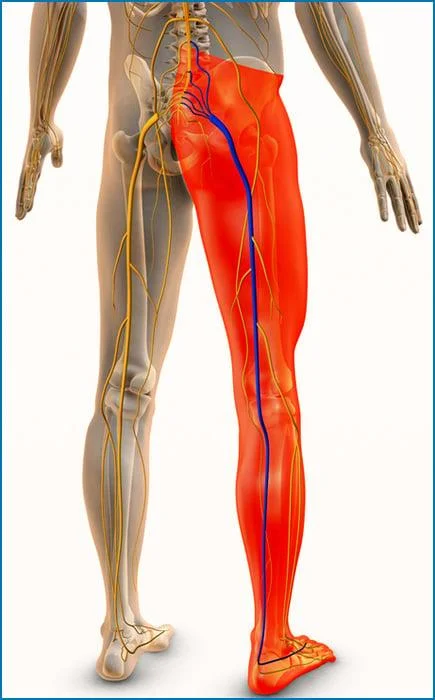
Sciatica is not a condition itself — it’s a term used to describe irritation or compression of the sciatic nerve, the largest nerve in the body. The sciatic nerve starts in the lower back and travels through the hips, buttocks, and down each leg.
When this nerve becomes compressed or inflamed, it can cause pain that radiates from the lower back into the leg. Some people experience mild discomfort, while others deal with severe pain that affects mobility and daily function.
Sciatica commonly affects only one side of the body and may worsen after sitting, bending, or prolonged activity.
Common Causes of Sciatica
Several underlying issues can contribute to sciatic nerve irritation.
1. Herniated or Bulging Discs
One of the most common causes of sciatica is a disc in the lower spine pressing against the nerve root.
2. Poor Posture & Spinal Misalignment
Poor posture and long-term spinal stress can contribute to joint dysfunction and nerve irritation. This is especially common in people who sit for extended periods or have physically demanding jobs.
Related reading: How Poor Posture Causes Neck & Back Pain
3. Degenerative Changes
Age-related wear and tear in the spine may narrow the spaces around nerves, leading to pressure and inflammation.
4. Muscle Tightness
Tight muscles in the hips or buttocks — especially the piriformis muscle — may compress the sciatic nerve and mimic traditional sciatica symptoms.
Common Symptoms of Sciatica
Sciatica symptoms vary depending on the severity and location of nerve irritation. Common symptoms include:
- Sharp or burning pain in the lower back or leg
- Tingling or numbness
- Pain radiating down one leg
- Weakness in the leg or foot
- Increased pain while sitting
- Difficulty standing or walking comfortably
Some patients also experience symptoms similar to a pinched nerve (internal link: /pinched-nerve-chiropractor-athens-ga), which is why professional evaluation is important.
Sciatica Symptoms Illustration
Can a Chiropractor Help Sciatica Naturally?
Chiropractors focus on improving spinal function and reducing pressure on irritated nerves. Depending on the cause of your sciatica, chiropractic care may help:
- Improve spinal alignment
- Reduce nerve irritation
- Restore mobility
- Decrease muscle tension
- Improve posture and movement patterns
Rather than relying solely on medication, many patients seek professional chiropractic care as a conservative and non-invasive option.
How Chiropractic Care for Sciatica Works
1. Spinal Adjustments
Gentle spinal adjustments help improve movement in restricted joints and reduce stress on the nervous system. For some patients, improving spinal alignment can reduce pressure contributing to sciatic nerve irritation.
2. Posture & Movement Evaluation
Poor posture and movement mechanics can worsen sciatica symptoms over time. Chiropractors assess how your body moves to identify contributing factors.
3. Muscle & Joint Support
In some cases, additional therapies or extremity adjustments may be recommended to improve hip and pelvic balance.
4. Lifestyle & Exercise Recommendations
Patients may receive guidance on:
- Stretching exercises
- Sleep positioning
- Ergonomic adjustments
- Activity modification
Related reading: Best Sleeping Positions for Neck and Back Pain
How Long Does It Take to Feel Better?
Recovery timelines vary depending on:
- The cause of the sciatica
- Severity of nerve irritation
- Duration of symptoms
- Overall health and activity level
Some patients notice relief within a few visits, while chronic conditions may require a longer treatment plan focused on gradual improvement.
When Should You See a Chiropractor for Sciatica?
You should consider professional evaluation if:
- Pain lasts longer than a few days
- Symptoms worsen over time
- Numbness or tingling develops
- Walking or sitting becomes difficult
- Pain interferes with sleep or daily activities
Early care may help prevent the issue from becoming more severe.
When to Seek Immediate Medical Attention
While many cases of sciatica improve with conservative care, certain symptoms require urgent medical evaluation. Seek immediate care if you experience:
- Loss of bladder or bowel control
- Severe leg weakness
- Sudden inability to walk
- Numbness in the groin area
- Severe pain following trauma
These symptoms may indicate a more serious condition.
Can Sciatica Go Away on Its Own?
Mild sciatica sometimes improves on its own, especially when caused by temporary inflammation or muscle irritation. However, recurring or persistent symptoms often indicate an underlying issue that should be evaluated professionally.
Ignoring chronic symptoms may lead to worsening pain or reduced mobility over time.
Why Patients Choose Well Adjusted Athens for Sciatica Care
Patients in Athens choose Well Adjusted Athens because of the clinic’s personalized and patient-focused approach. Our clinic provides:
- Customized care plans
- Gentle chiropractic techniques
- Thorough evaluations
- Family-focused care
- Education to support long-term wellness
The goal is not just temporary relief, but helping patients improve movement, function, and quality of life.
Conclusion
Sciatica can significantly impact your daily life, but many people find relief through conservative and natural treatment approaches. Chiropractic care may help reduce nerve irritation, improve mobility, and support recovery by addressing the underlying cause of the problem.
If you’re experiencing lower back pain, leg pain, or nerve-related symptoms in Athens, GA, professional evaluation can help determine the best path forward.